Explore Fukuoka Like a Local: Your Ultimate Guide to Chari Chari Bike Share
Fukuoka is a city that rewards the slow traveler. The distances are short, the streets are flat in most of the center, and the places worth seeing often sit just a little too far from the nearest station. That gap is where Chari Chari, the local bike-share service, quietly earns its place. You do not need to be a cyclist, and you do not need to speak Japanese. You need a phone, a connection, and a little patience with the rules, which exist mostly so that the bikes are still there for the next person.
What follows is not a list of buttons. It is what you should understand before you ride: what the service is, what it asks of you, how a ride begins and ends, and the few rules that matter more than the rest.
What Chari Chari Is
Chari Chari is a bike-sharing service in the Fukuoka area. You rent and return bicycles through a smartphone app, and the bikes live at rental stations called “ports”, spread across the city. Locals use it for errands and commutes; travelers use it to fill in the spaces between trains. The whole idea fits in one sentence: you ride from one port to another.
That sentence is worth holding onto, because almost every mistake people make with bike share comes from forgetting it. A ride is not finished when you stop pedaling. It is finished when the bike is back at a port and the app agrees.
What It Asks of You
The requirements are modest, but each one is real:
- A smartphone: any iOS or Android device.
- An internet connection: data roaming, a pocket Wi-Fi, or a local SIM card.
- A credit card that allows international payments: VISA, MasterCard, JCB, American Express, Diners Club, and so on.
Of the three, the connection is the one travelers underestimate. The app is not just how you find a bike; it is the key that locks and unlocks it. A phone without data is a phone that cannot start or end a ride.
Getting the App and Signing Up
The app is called Chari Chari on both stores: App Store (iOS) and Google Play (Android).
Registration asks for only five things: your name, phone number, address, date of birth, and credit card number. Two details make this easier for visitors than many Japanese services. You can register with a non-Japanese mobile number, and the app supports both English and Japanese during registration.
Payment works differently from a ticket machine. You do not pay ride by ride. The service runs on a monthly billing cycle, and your total usage for the month is charged to your card at the end of the month. For a traveler, that means the charge may arrive after you have already flown home. It is worth remembering so the line on your statement does not surprise you.
How a Ride Begins

The app’s map is your first view of the city through the service. Each port shows a number, which is how many bikes are waiting there; a 0 means none. A lightning bolt means the port has electric-assist bikes. Reading the map well saves you the small disappointment of walking to an empty port.

At the port, choose a bike, tap the red “Unlock” button in the app, and scan the QR code on the bike. When it unlocks, the ride and the meter begin together.
The Pause That Still Costs You
Sometimes you want to stop for a moment: a photo, a shop window, a quick question. You can lock the bike manually and unlock it later by scanning the QR code again. Two things are worth knowing before you rely on this.
First, locking and unlocking only work where the connection is stable. Park in a spot with a weak signal, and you may struggle to get the bike open again.
Second, and more important: the rental fee keeps adding up even when the bike is manually locked outside a designated port. A temporary lock is a pause button for you, not for the meter. If the stop will be long, such as shopping or a meal, the calmer choice is to end the ride at the nearest port and start a new one afterward.

How a Ride Ends
A ride ends at a designated parking port, and only there. You return the bike by pushing down the lock on the rear wheel. Locking it at a port automatically ends the ride in the app.
Not every port can take your bike. You can return bikes only to ports marked with a 〇 or △. A port marked with an ✖ is full and cannot accept new bikes. It is a good habit to glance at the map before you arrive, not after.
When the ride ends, the app calculates your ride time and charges it to your registered payment method. You will hear a beep, but the beep is not the final word. Always check the app screen to confirm the ride has officially ended. That small habit is the difference between a ten-minute ride and a ride that quietly kept running.
Pricing (As of October 2024)

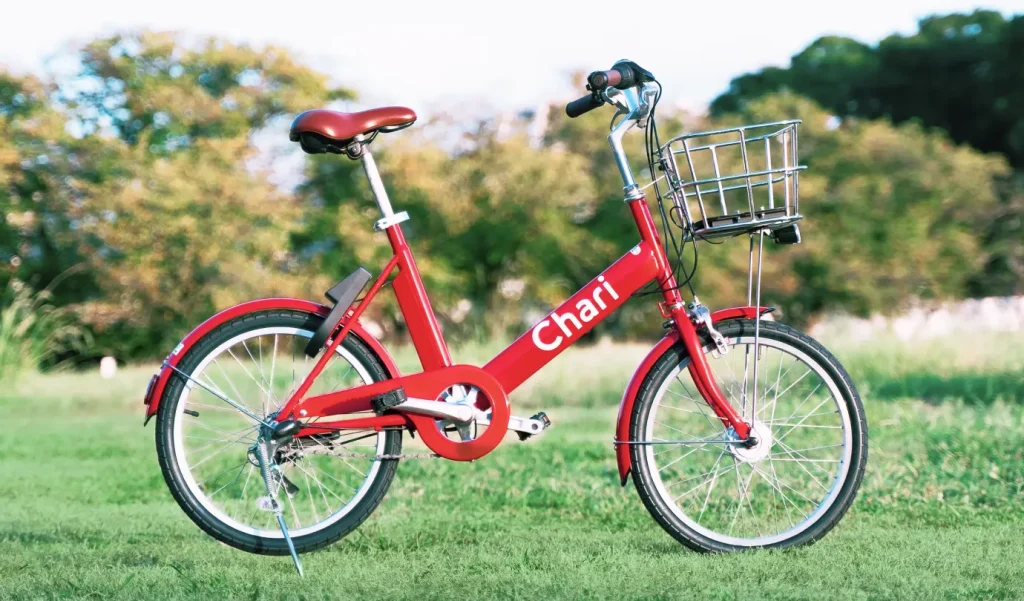

As of October 2024, the rates were:
- Standard Bike: 7 JPY per minute
- Electric-Assist Bike: 17 JPY per minute
Example: at those rates, a 30-minute ride on a standard bike cost 210 JPY.
Prices can change, and this article will not guess at today’s numbers. The current price lives in the official Chari Chari app; check it there before you ride.
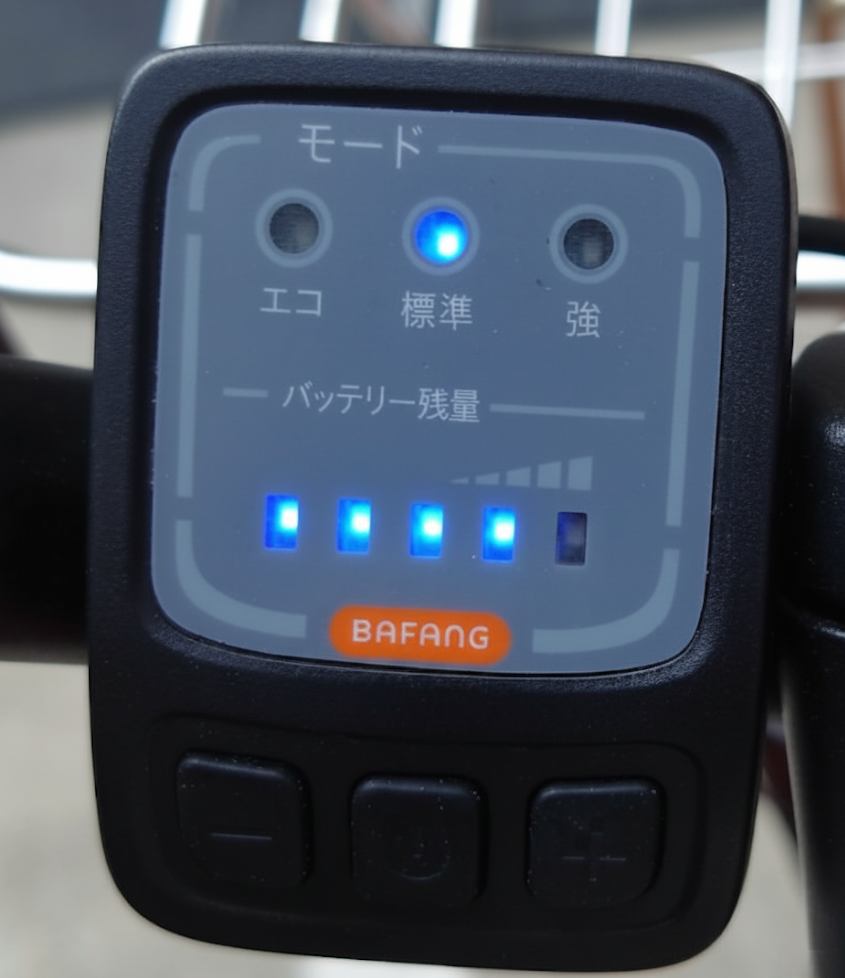
Because you pay by the minute, the type of bike matters. Generally, the sturdier, bulkier bikes are electric and the slimmer ones are standard. If you are unsure, look at the handlebar: electric bikes have a power switch there, and you need to turn it on to get the boost.

The Rules That Matter Most
The internet is not optional. You need a connection to start and to end a rental. Sort out data roaming or a pocket Wi-Fi before you need it, not at the port.
Japanese traffic law applies to you. In Japan you ride on the left side of the road. Give pedestrians priority, obey traffic signals, and ride defensively. On an unfamiliar street in an unfamiliar country, your safety comes before your schedule.
Park only at ports. You must return the bike to a designated parking port. A bike left on the street, even for a quick bit of shopping, could be towed, and you will continue to be charged for the rental time.
Mind the battery and the switch. On an electric-assist bike, keep an eye on the battery level, and remember to turn the power switch on. Otherwise you are paying the higher rate to pedal a heavier bike.
Further Reading
Japan Bicycle Rules Guide: a cycling rules guide available in seven languages, including English. It is worth reading before your first ride. (Link, PDF file)
Final Thoughts
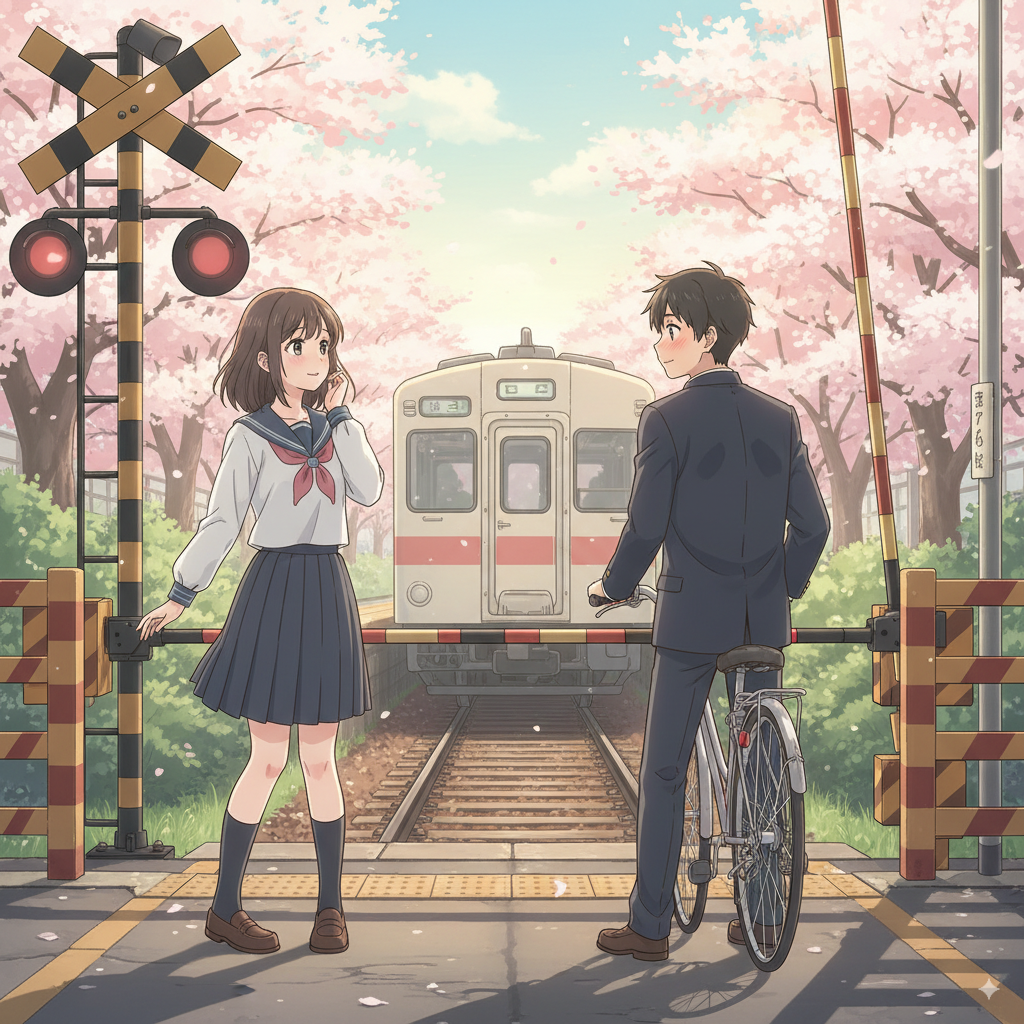
A bicycle changes the scale of a city. It reaches the places public transport passes by, it often saves time and money compared with other options, and it puts you inside the ordinary rhythm of the streets instead of watching them through a window. And there is a quieter reward too: waiting at a quiet railway crossing, hearing the clanging bells, and feeling like you are in a movie. Learn the few rules, check the app when you finish, and Fukuoka opens up at the speed of a pedal.